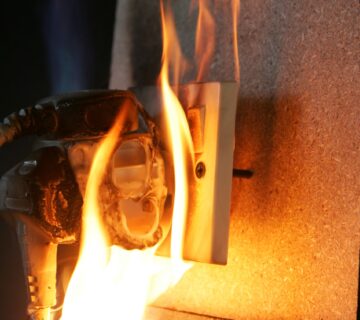
When dealing with emergency electrical situations, it’s crucial to prioritize safety and take the right steps. Here are some helpful tips:
1. Know Your Breakers: Familiarize yourself with the main breaker panel in your home. In case of an electrical emergency, you should know how to quickly turn off the main power.
2. Avoid Water: Never touch electrical appliances or switches with wet hands and stay away from water during an electrical emergency, as water conducts electricity.
3. Unplug Appliances: If you suspect an issue with your electrical system, unplug appliances to reduce the risk of electrical surges causing damage.
4. Use Flashlights, Not Candles: In case of a power outage, use flashlights instead of candles to prevent fire hazards.
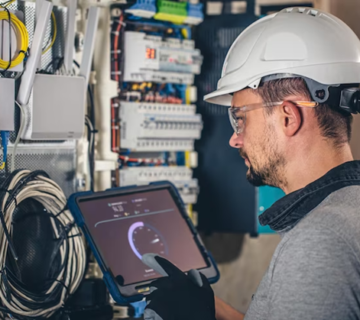
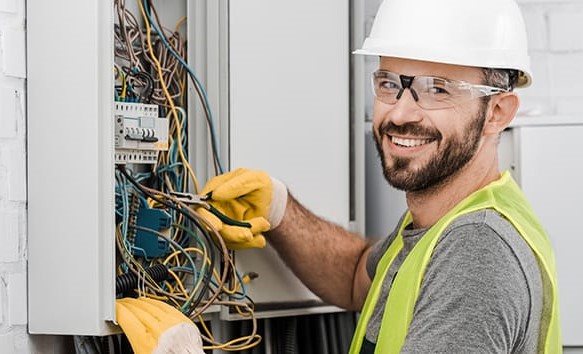
5. Avoid DIY Fixes: If you’re not a trained electrician, don’t try to fix electrical problems yourself. Electrical repairs can be dangerous and should be left to professionals.
6. Regular Maintenance: Regularly check the condition of your electrical outlets, cords, and appliances. Frayed wires or damaged cords should be replaced immediately.
7. Install Smoke Detectors: Ensure you have working smoke detectors in your home, as they can alert you to electrical fires.
8. Know Emergency Contacts: Keep contact details of a licensed electrician handy for emergencies. Quick professional intervention can prevent further damage.
9. Educate Household Members: Make sure everyone in your home knows the basics of electrical safety and what to do in an emergency.
10. Stay Away from Fallen Power Lines: If you come across fallen power lines, stay far away and immediately report them to your utility company or local emergency services.
Remember, safety is paramount when dealing with electricity. Regular inspections and awareness can prevent many electrical emergencies.